The developer left without a real handover
Repositories exist, but nobody can confidently explain the deployment, background jobs, integrations, production data, or known failure points.
Production rescue for founder-led B2B SaaS
I stabilize the product you already have, restore the release path, and take responsibility for its code and infrastructure—without waiting months for a senior hire.
For live B2B SaaS products with paying customers. Existing codebases welcome.
When to call
Bugs continue, infrastructure ages, and customers keep asking for changes after a developer leaves. This retainer closes that ownership gap.
Repositories exist, but nobody can confidently explain the deployment, background jobs, integrations, production data, or known failure points.
Errors arrive through support messages. Logs are fragmented, monitoring is incomplete, and each failure becomes a fresh investigation.
Features sit almost finished, releases are repeatedly postponed, or every deployment risks breaking an unrelated part of the product.
You relay messages between freelancers, hosting providers, and customers—but nobody owns the result from diagnosis through production verification.
You need one person responsible for making the whole product operable again.
What changes
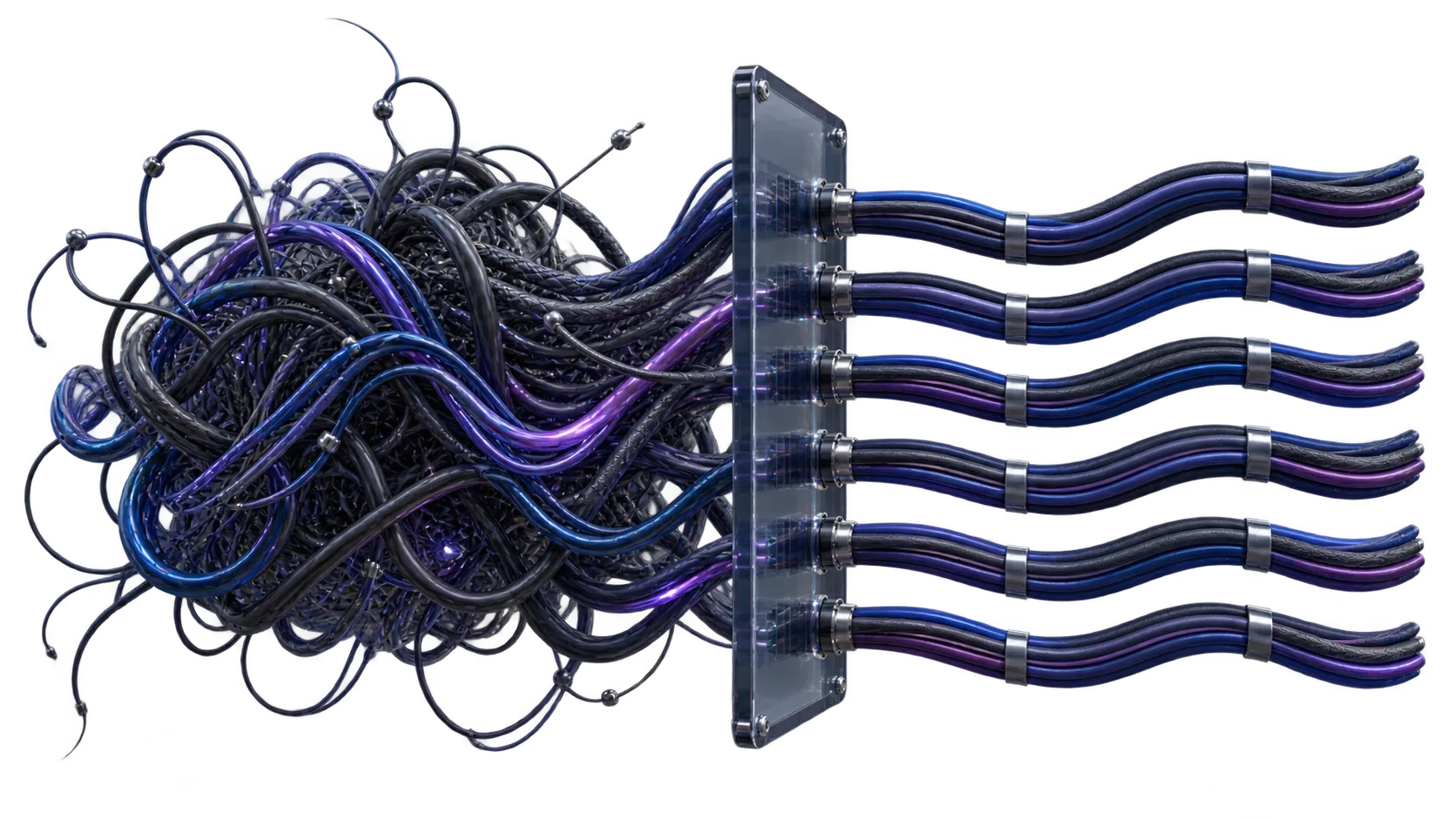
I do not promise to make years of technical debt disappear in 30 days. I replace uncertainty with evidence, priorities, working fixes, and accountable execution.
The first 30 days
I learn the product by making it safer to operate and easier to change. The exact order adapts to the condition of the system, but the outcome is consistent: control, stability, and a credible delivery path.
Days 1–3
Take possession of the operating surface before changing it. Every critical account gets a named owner and every missing credential becomes visible.
Work in the system
Days 4–10
Follow real customer journeys through the code, infrastructure, and data. Contain the failures that can do the most damage without creating a riskier change.
Work in the system
Days 11–20
Turn releasing from an act of faith into a controlled operation. The goal is not maximum automation; it is a path the next change can safely travel.
Work in the system
Days 21–30
Use one real release to prove the operating model end to end: decision, implementation, deployment, verification, reporting, and what comes next.
Work in the system
What I own
Direct accountability
You work directly with me. I inspect the code, make the plan, perform the work, and remain responsible for the result. Any specialist is introduced transparently.
Inheriting what exists
Existing products contain customer knowledge, revenue logic, edge cases, and years of decisions. I begin by finding what already works, which paths are dangerous, and where targeted changes create the most stability. A rewrite is recommended only when evidence makes it safer and economically sensible—not because a new stack would be more enjoyable to build.
Keep working customer behavior working.
Measure and reproduce before changing critical paths.
Your company owns the code, infrastructure, documentation, and operating knowledge.
Public proof
Four examples of responsibility crossing product, code, data, infrastructure, payments, and releases.
Public product · End-to-end ownership · Media SaaS
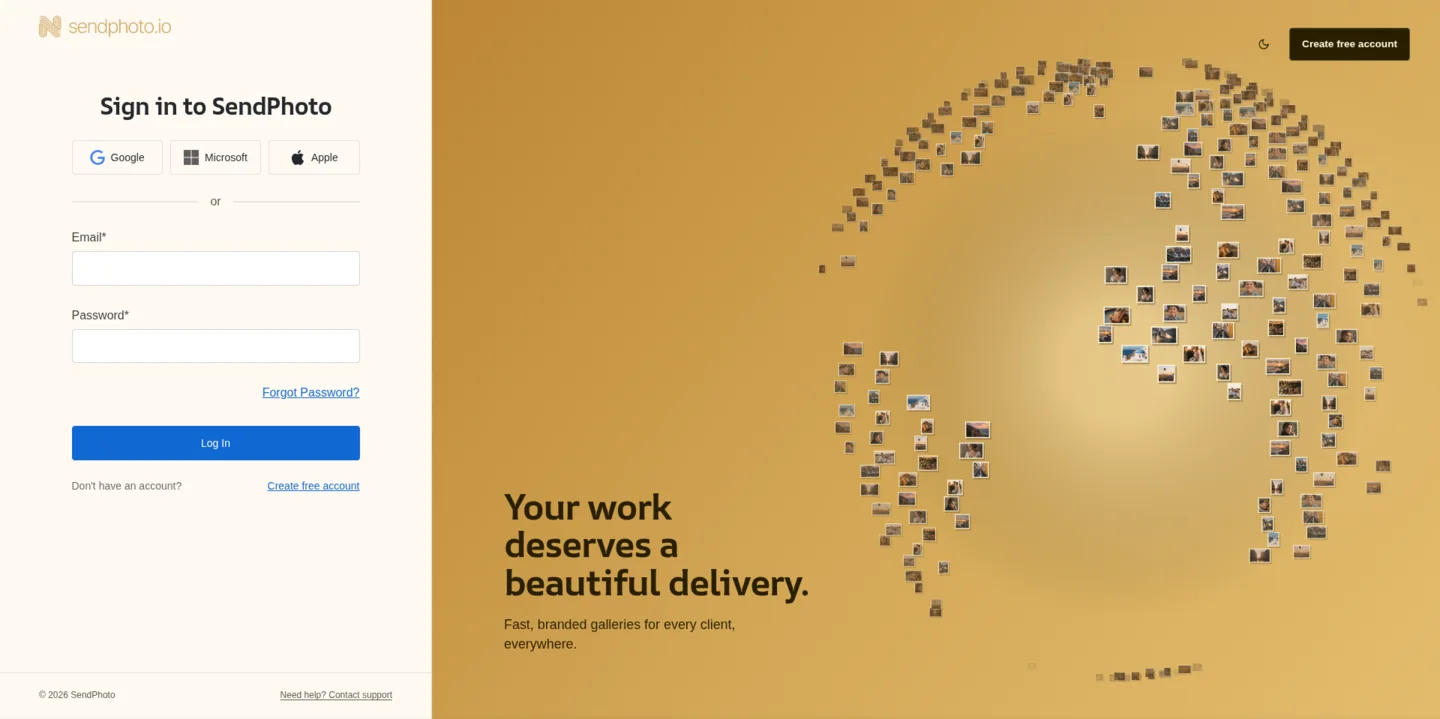
Anonymized client · Cybersecurity SaaS
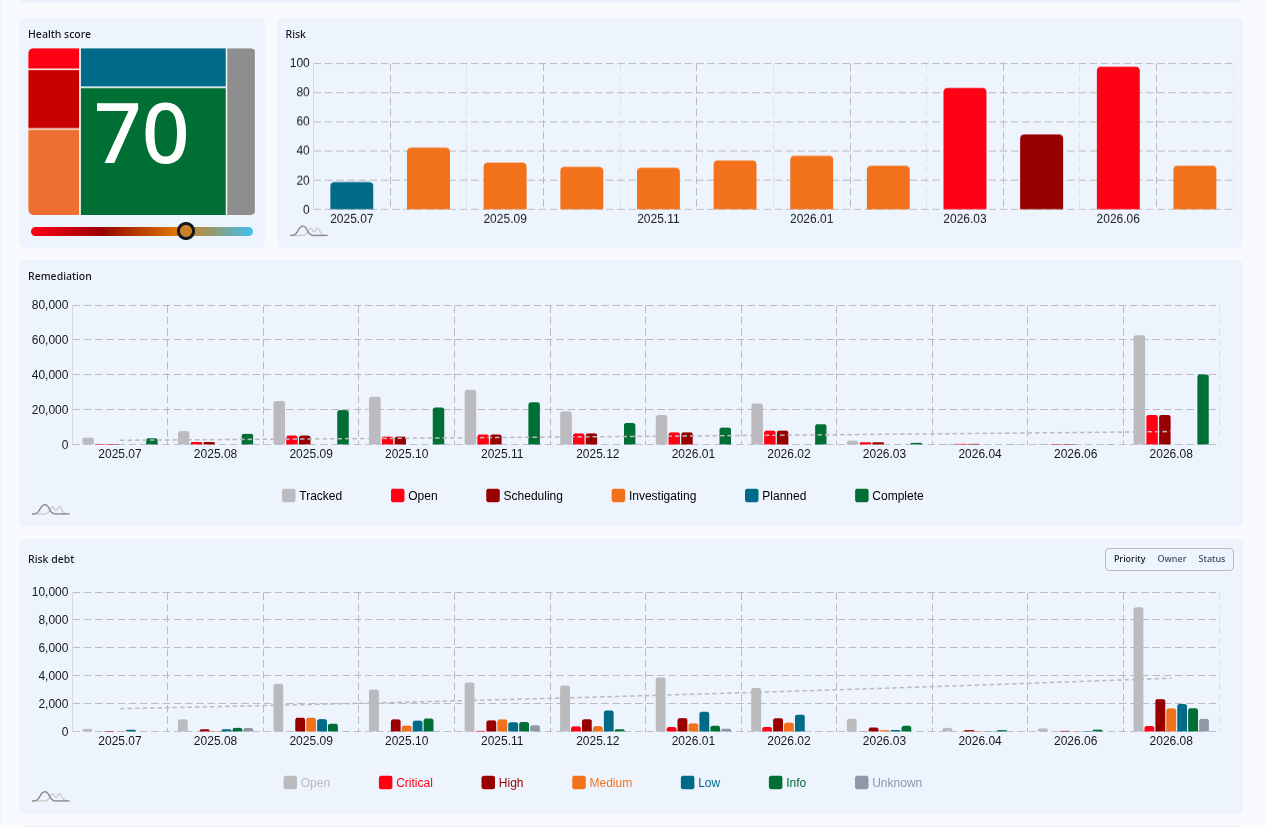
Anonymized client · Communications + payments
Anonymized client · Event photography commerce
Fit and non-fit
A good fit
Not a fit
How the engagement works
The first month establishes control, addresses the highest-risk work, restores the release path, and produces the next operating plan. We then decide whether monthly ownership remains useful.
Check whether the retainer fitsPaid first 30 days · Monthly rolling after review
Large new modules, parallel product streams, formal audits, and 24/7 coverage are scoped separately. If the product requires broader reserved capacity, the engagement is scoped separately.
Your repositories, cloud accounts, code, and documentation remain yours. If the engagement ends, the handover does not become a separate hostage fee.
Why this model
Solves the assigned issue but leaves diagnosis and coordination with the founder.
May rotate people or begin with a large discovery process.
Can explain what should happen but may not implement it.
A strong long-term option, but recruiting and onboarding take time.
Owner-controlled continuity
What I will not do
I will not force a fashionable rewrite, hide work in accounts you do not control, or rotate unknown people through the product.
Confidentiality
I use company-controlled access, least-privilege permissions, and an NDA where appropriate.
Before a takeover
Clear boundaries make urgent work safer for both sides.
Yes. The offer is specifically designed for existing products. I begin by reproducing behavior, tracing critical paths, and identifying operational risk. I do not require a clean codebase or perfect documentation before starting.
I do both. I make the technical decisions, implement or supervise the changes, own the release path, and verify the result in production. This is hands-on ownership, not a report that the founder must give to another developer.
My strongest production experience is with PHP and Laravel, TypeScript and Node.js/NestJS, React/Next.js/Angular, PostgreSQL and MySQL, AWS, DigitalOcean, Docker, Kubernetes, Cloudflare, and common payment, messaging, media, and monitoring integrations. I assess adjacent stacks before accepting responsibility rather than pretending every codebase is identical.
That is common in a rescue. I first protect the most important customer and revenue paths, then add the smallest useful tests and runbooks around the places where failure would be expensive.
Not by default. A rewrite can consume months while recreating behavior customers already depend on. I preserve working value and recommend replacement only when evidence shows that targeted repair is no longer the safer economic choice.
Possibly, subject to availability and safe access. State that the product is currently down or losing transactions in the fit-call request. The standard retainer is not a 24/7 emergency-response service, and no recovery time is promised before the system is inspected.
Not necessarily. I can bridge a gap while you hire, own production alongside a small team, or stabilize the product and hand it to a permanent technical leader. The role is defined by the missing responsibility, not by a title.
You work directly with me, Oleg. I remain responsible for the technical plan and result. A trusted specialist is involved only when useful and transparent to you.
During onboarding, I agree working hours, severity levels, and response expectations with you. Critical production problems take priority over planned work. The base retainer does not include round-the-clock on-call coverage.
You do. Work happens in company-controlled repositories and accounts wherever practical. Documentation, runbooks, and changes created for the product remain with the company.
The first 30 days are the paid takeover period. After that, the retainer continues monthly if both sides consider it useful. A clean handover is part of responsible ownership.
I hold a short fit call with you focused on the product’s current condition, the trigger event, access, priorities, and commercial fit. If the retainer is appropriate, I send a concise scope and start plan. Exhaustive codebase investigation begins after the engagement starts.
The focused retainer protects one delivery stream. If several priorities must move in parallel, a dedicated ownership model or a larger project is scoped separately.
Share the public context and what changed. I will review it personally and tell you within one business day whether a short fit call makes sense.